
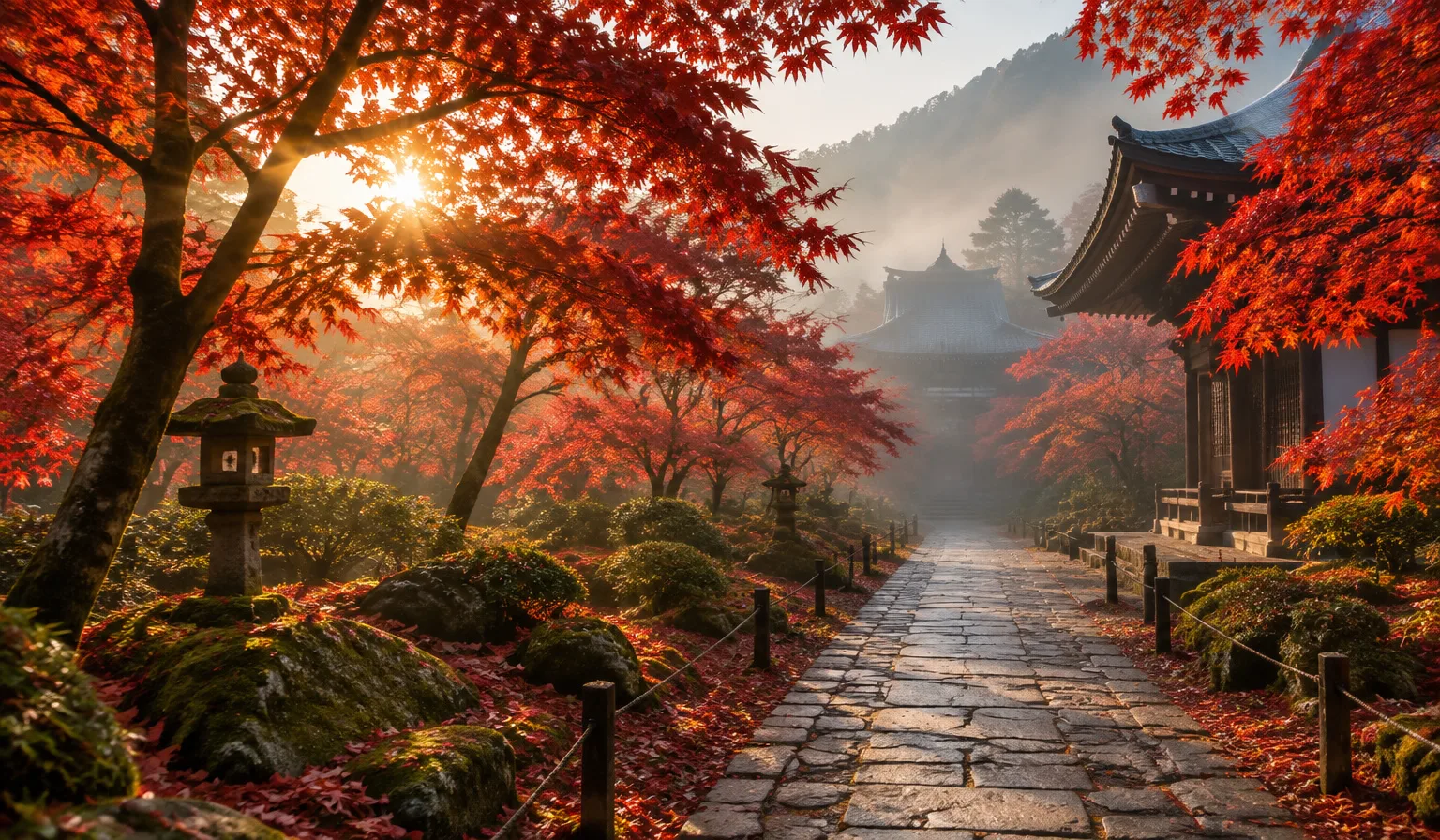
Kyoto's autumn colour arrives late. While much of Japan has already turned, the city's maples usually hit their deepest reds in the last two weeks of November. Timing is everything: come too early and the hills are still green, come in December and the leaves are on the ground. Late November is the window, and it rewards travellers who plan their days around light and crowds rather than a checklist.
Why mornings matter more than anywhere
Kyoto in peak foliage season is busy. There is no way around it, but there is a way through it: get up early. Several of the famous temples open their gates in the early morning, and the difference between arriving at opening time and arriving at ten is the difference between a quiet garden and a queue.
The early light helps too. Maple leaves are translucent, and low morning sun coming through a red canopy is the scene people travel for. By midday the light flattens and the paths fill.
A simple rhythm works well: one big temple at opening time, then breakfast, then smaller places for the rest of the day. Tofuku-ji, famous for its valley of maples, is worth the early alarm. So is the Philosopher's Path in the north-east, which is at its best before the shops along it open.
The side streets are the second act
The temples get the attention, but Kyoto's autumn also happens at street level. The lanes of Higashiyama, the quieter blocks around Arashiyama away from the main bamboo grove, the small neighbourhood shrines with a single blazing tree in the courtyard — these are where the season feels personal rather than staged.
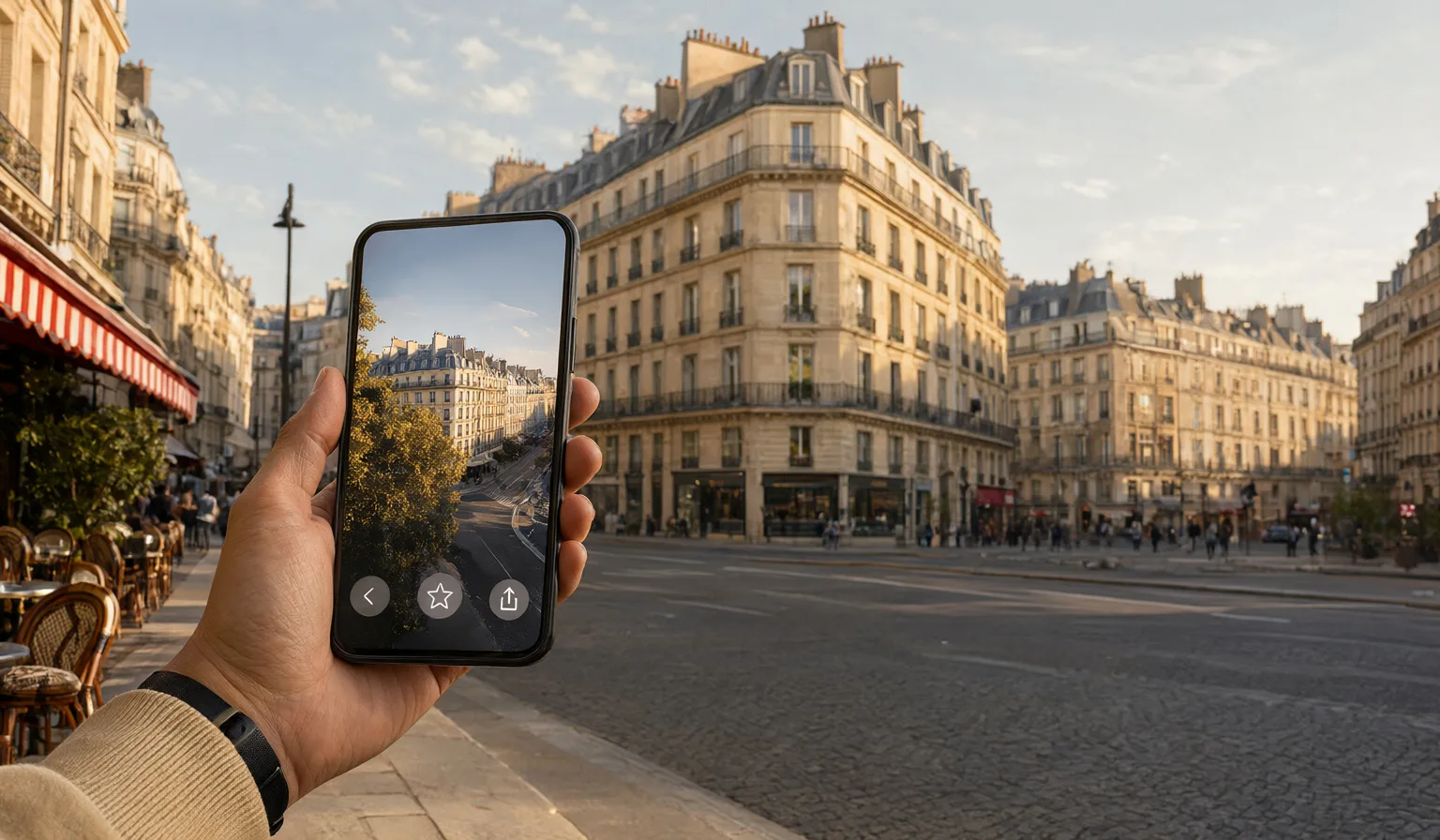
Walk without a fixed route for part of each day. Pick a district, put your phone in your pocket, and follow whatever looks red at the end of the lane. When you genuinely need to find your way back, the map is still there.
Build in tea breaks
November in Kyoto is cold in the mornings and evenings, and the days involve a lot of walking. Plan stops the way you plan sights. A tea house near a temple garden, a coffee counter in a machiya townhouse, a bowl of matcha somewhere warm while your feet recover — these pauses are part of the experience, not time lost from it. Many temples also hold evening illuminations in autumn, so a late-afternoon rest sets you up for a second round after dark.
Staying connected for maps and translation
Two things make a Kyoto trip noticeably smoother: live maps and translation. Bus routes, temple opening hours, and menus written only in Japanese all become easy problems when you have data.
A few practical points:
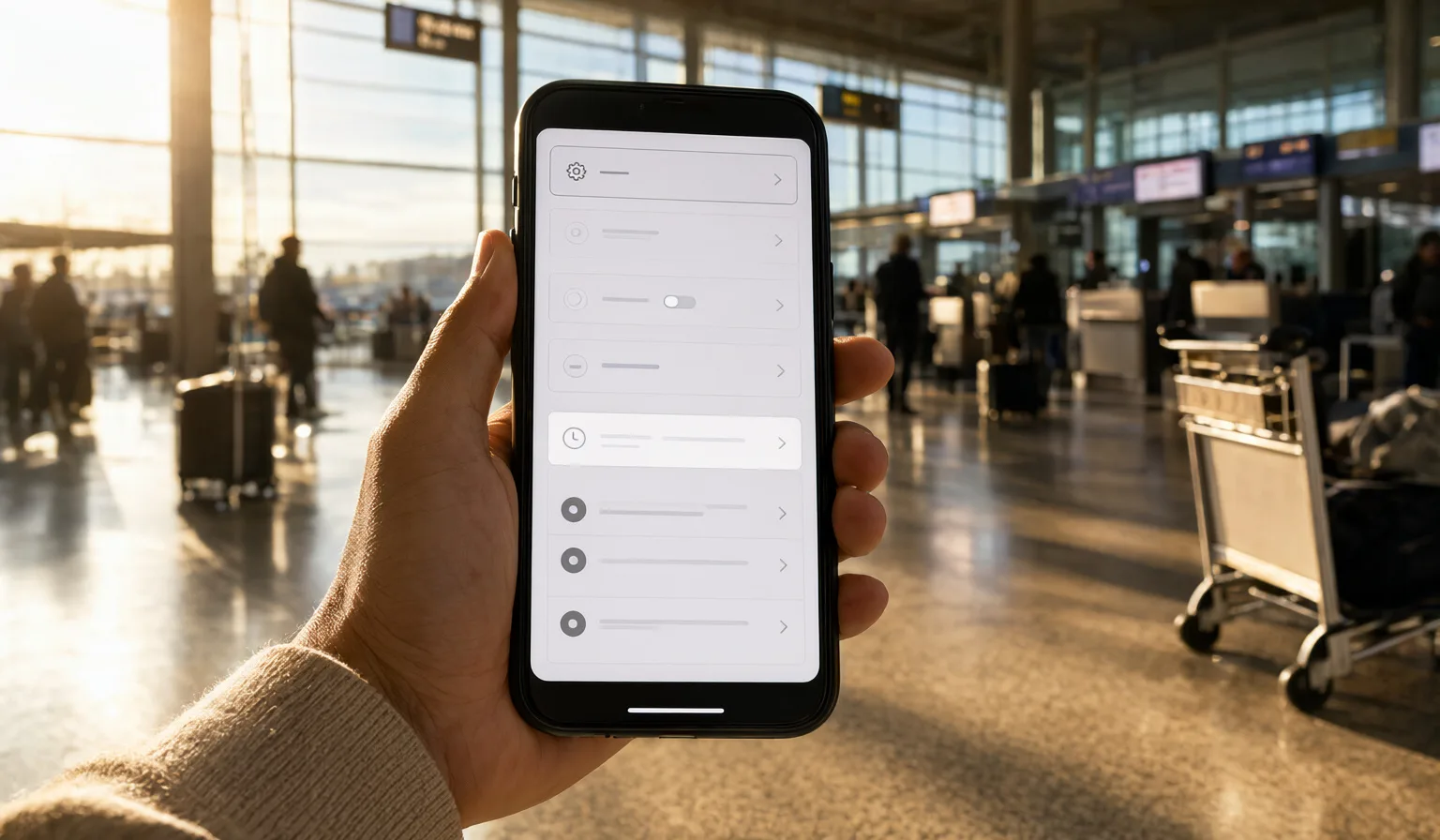
- Set up your eSIM before you fly. Install it at home on Wi-Fi, so you land ready. If you use Openline, your plan's validity starts at install and the eSIM connects automatically once you switch airplane mode off in Japan — no SIM counter at the airport, no setup in a jet-lagged fog. See what's available for Japan, or look at the wider Asia options if Kyoto is one stop on a longer trip.
- Keep data roaming on. eSIM travel plans need it switched on to work abroad. If data drops, manually reselecting the network usually fixes it.
- Keep your home number alive. With dual SIM, your usual number stays active for calls and texts while the travel eSIM handles data.
- Download offline backups anyway. An offline map of Kyoto and a Japanese translation pack take minutes to download and cover you in basements, trains, and temple grounds with weak signal.
- Watch your usage. Translation apps and photo backups can eat more data than you expect. Checking remaining data in the app once a day keeps surprises away.
If you have never installed an eSIM before, the step-by-step installation guide covers it per device — worth doing the week before you leave, not at the gate.
A sample early-morning day
- 6:30 — Arrive at a major temple as it opens. An hour of near-empty gardens.
- 8:30 — Breakfast nearby. Coffee, toast or rice set, warm up.
- 9:30–12:00 — Side streets and smaller shrines while the big sites fill up.
- 12:30 — Lunch somewhere small. Point at the menu or use translation.
- 14:00 — Tea break, then a garden or museum.
- 17:00 — Rest at the hotel.
- 18:30 — An evening illumination if one is running, then dinner.
The takeaway
Kyoto in late November is worth the crowds — but only if you refuse to move at their pace. Wake up early, wander the side streets, stop for tea, and sort your connectivity before you board the plane. The maples do the rest.